Kitchen Cabinet Refinishing in Charlotte Using Conversion Varnish
Kitchen Cabinet Refinishing in Charlotte NC gives homeowners a longer-lasting finish with conversion varnish that helps reduce joint cracks caused by seasonal humidity.
A kitchen looked perfect after a fresh paint job. The color was smooth, the finish looked clean, and the cabinets completely changed the room. A few months later, thin cracks started showing where the cabinet frame pieces met. At first, they were easy to miss, but over time they became more noticeable and made the cabinets look older than they really were.
Many homeowners across the Carolinas experience this problem. Seasonal humidity changes can cause painted cabinet doors to develop small cracks around the joints. This is not always caused by poor workmanship. In many cases, it comes down to the type of finish used on the cabinets. Choosing the right finish during Kitchen Cabinet Refinishing can make a major difference in how cabinets look years after the project is complete.
Why Painted Cabinet Joints Crack
Wood is a natural material that responds to changes in the air. During humid months, it absorbs moisture and expands slightly. When the weather becomes cooler and drier, it releases that moisture and shrinks again. These changes are small, but they happen year after year.
While the cabinet itself stays strong, the painted surface has to move along with the wood. If the finish cannot stretch enough, tiny cracks begin forming where different pieces of the cabinet door meet. This is why homeowners often notice hairline cracks along the edges of cabinet doors instead of across the flat panels.
The joints experience the most movement as the seasons change. Although the wood remains solid, the finish can struggle if it is too rigid. Over time, those repeated changes create the familiar spiderweb cracks many homeowners notice around cabinet door joints.
The Carolinas Create the Perfect Conditions
The climate in North Carolina and South Carolina makes this issue more common than many people realize. Summers are hot and humid, while winter air is much drier. Indoor heating and air conditioning also change the moisture levels inside the home throughout the year.
Cabinets constantly adjust to these changing conditions. Even homes with good climate control experience enough seasonal movement for painted finishes to show signs of stress over time. This does not mean the cabinets are failing. It simply means the finish must be able to move with the wood instead of resisting it.
Why Traditional Cabinet Paint Often Falls Short
Many people assume every cabinet paint performs the same way. In reality, different finishing products behave very differently once they dry. Some finishes become very hard, creating a smooth appearance but offering very little flexibility.
Each time the wood expands or contracts, the finish experiences stress. After enough seasonal cycles, those stress points become visible cracks around the cabinet joints. Once those cracks appear, dirt and grease can settle into them, making the cabinets look older and harder to clean even though the wood underneath is still in great condition.
This is one reason many homeowners decide to refinish kitchen cabinets instead of continuing to live with a finish that no longer looks its best.
Why Conversion Varnish Makes a Difference
One of the biggest improvements in cabinet refinishing has been the use of conversion varnish. Unlike finishes that become brittle over time, conversion varnish stays flexible enough to move with the natural expansion and shrinking of wood.
That flexibility allows the finish to stretch slightly as humidity changes throughout the year. Instead of cracking around cabinet joints, it continues protecting the surface while maintaining a smooth appearance. The result is a finish that keeps cabinets looking cleaner and newer through many seasonal changes.
This flexibility is one reason many professional cabinet refinishing companies now use conversion varnish as their preferred finishing process. It provides homeowners with a finish that is designed to perform well in the changing climate found throughout the Carolinas.
A Better Finish Means Better Long-Term Results
A beautiful cabinet finish should continue looking attractive long after the project is complete. The goal is not simply creating cabinets that look good on the day they are finished. Homeowners want a finish that continues looking great after years of daily use.
Conversion varnish creates a durable surface that stands up well to cooking, cleaning, and everyday family life. It also helps cabinets maintain a smooth, consistent appearance even as seasonal weather changes continue. For homeowners considering Kitchen Cabinet Refinishing, choosing the finishing process matters just as much as selecting the perfect color.
Cabinet Doors Move More Than Most People Realize
Many cabinet doors are built using separate pieces joined together to create the frame. The center panel fits inside that frame instead of being permanently attached. This design allows the wood to move naturally as humidity levels change throughout the year.
The challenge begins when the painted finish cannot move with the wood. Instead of stretching slightly, it begins to crack around the joints where movement is greatest. Understanding this natural movement helps explain why choosing the right finish plays such an important role in protecting painted cabinets.
Refinishing Instead of Replacing
Many homeowners assume cracked paint means they need completely new cabinets. In many kitchens, the cabinet boxes remain in excellent condition even though the finish has started to show its age.
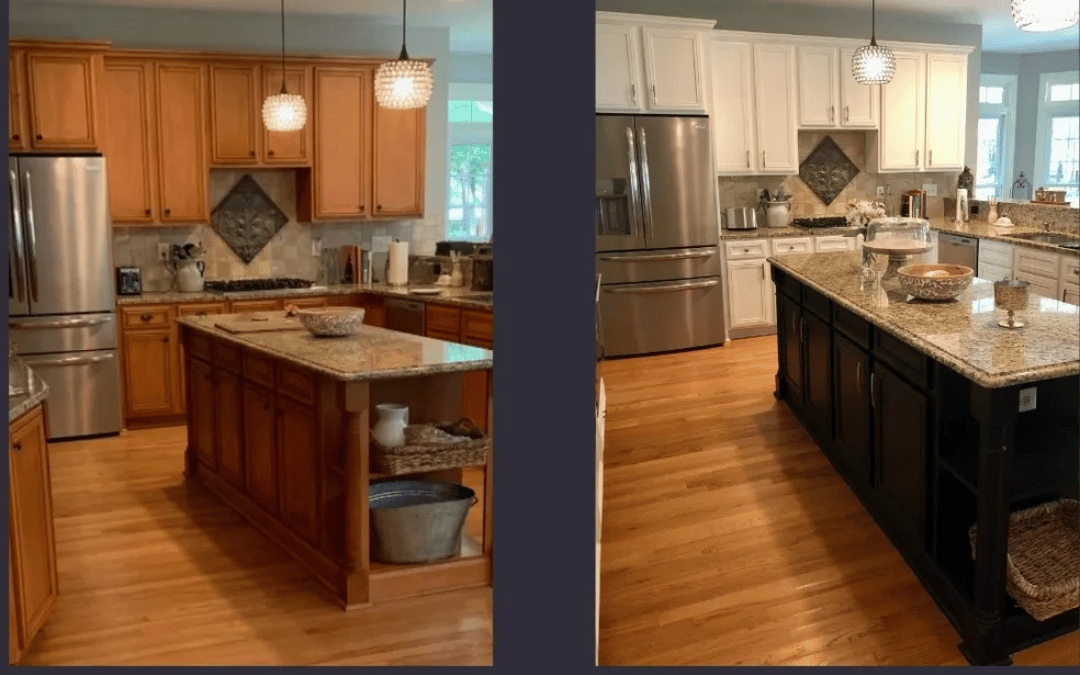
Professional Kitchen Cabinet Refinishing gives homeowners the opportunity to update the appearance without replacing the entire kitchen. Existing cabinets can receive a fresh finish while maintaining the layout that already works well for the family. This approach saves time, reduces waste, and often costs much less than installing brand new cabinetry.
It also gives homeowners the opportunity to update cabinet colors while keeping the solid construction already in place.
When Cabinet Refacing Makes Sense
Some kitchens need more than a fresh finish. Cabinet doors may have outdated styles, worn edges, or visible damage that affects the overall appearance. In these situations, homeowners may choose to refinish kitchen cabinets while replacing doors and drawer fronts.
This approach creates the appearance of an entirely updated kitchen without removing every cabinet from the room. It combines the strength of existing cabinet boxes with the fresh look of new doors and drawer fronts, giving homeowners a noticeable transformation without a complete replacement.
Small Cabinet Additions Can Improve Everyday Storage
Some kitchens have unused spaces that could provide valuable storage. A narrow gap at the end of a cabinet run or an empty corner may be large enough for a small custom cabinet that improves the way the kitchen functions.
During a refinishing project, homeowners sometimes discover opportunities to add practical storage without redesigning the entire kitchen. A small cabinet can provide space for trash and recycling bins, baking sheets, or cleaning supplies while blending naturally with the rest of the cabinetry. These additions make better use of available space while keeping the overall design consistent.
Choosing a Finish That Lasts
Homeowners often spend a great deal of time selecting cabinet colors, yet the finish protecting that color is just as important. A high-quality finish continues performing through years of opening doors, cleaning surfaces, and adjusting to changing weather conditions.
When people decide to restore kitchen cabinets, asking about the finishing process is just as important as discussing colors and styles. A finish that can flex with the wood helps preserve the smooth appearance homeowners expect from a professionally refinished kitchen.
Why Professional Refinishing Matters
Cabinet refinishing involves much more than applying a new coat of paint. Surface preparation, careful application, and the finishing product itself all influence how well the cabinets perform over time.
During our Kitchen Cabinet Refinishing projects, we use conversion varnish because it stretches with seasonal wood movement instead of resisting it. We also help homeowners decide whether refinishing, refacing, replacing drawer fronts, or adding a small custom cabinet is the best solution for their kitchen. Our goal is always to improve the appearance and function of existing cabinetry without recommending full replacement unless it is truly needed.
Frequently Asked Questions
- Why do cracks appear where cabinet doors join together?
Those areas experience the greatest amount of natural movement as humidity changes throughout the year. If the finish cannot flex with the wood, small cracks often appear along those joints.
- Can Kitchen Cabinet Refinishing fix cracked cabinet finishes?
Yes. If the cabinet structure remains in good condition, professional Kitchen Cabinet Refinishing can remove the old finish and apply conversion varnish, providing a smoother and longer lasting appearance.
- Is conversion varnish better than regular cabinet paint?
Conversion varnish is designed to remain flexible as wood naturally expands and contracts. This flexibility helps reduce the hairline cracking that often develops with more rigid finishes.
- Should I replace my cabinets if I see joint cracks?
Not necessarily. Many cabinets remain structurally sound even when the finish develops small cracks. Refinishing or refacing is often enough to restore both their appearance and durability.
- Can I add storage during a cabinet refinishing project?
Yes. In some kitchens, small unused spaces can accommodate an additional cabinet that blends with the existing design, providing more storage without requiring a complete kitchen remodel.
Seasonal humidity is simply part of living in the Carolinas. Wood cabinets naturally expand and shrink throughout the year, and that movement cannot be stopped. The key is choosing a finish that can move with the wood instead of cracking under pressure.
Conversion varnish has changed the way professional cabinet refinishing performs over the long term. Its flexibility helps reduce the hairline cracks that often appear around cabinet joints, allowing kitchens to maintain a cleaner and more polished appearance for years. Homeowners planning a kitchen cabinet makeover should pay as much attention to the finishing process as they do to the cabinet color because the right finish can make all the difference in how the cabinets look over time.
Carolina Cabinet Pros: The Gold Standard in Cabinet Refinishing
Carolina Cabinet Pros provides professional cabinet refinishing, staining, restoration, and refacing, with durable conversion varnish finishes for homeowners throughout North Carolina and South Carolina. From kitchens and bathrooms to built-ins and custom cabinet updates, we help transform the cabinets you already have with expert craftsmanship and a beautiful, long-lasting finish. Contact Carolina Cabinet Pros today to schedule your free consultation at 704-363-3061.