
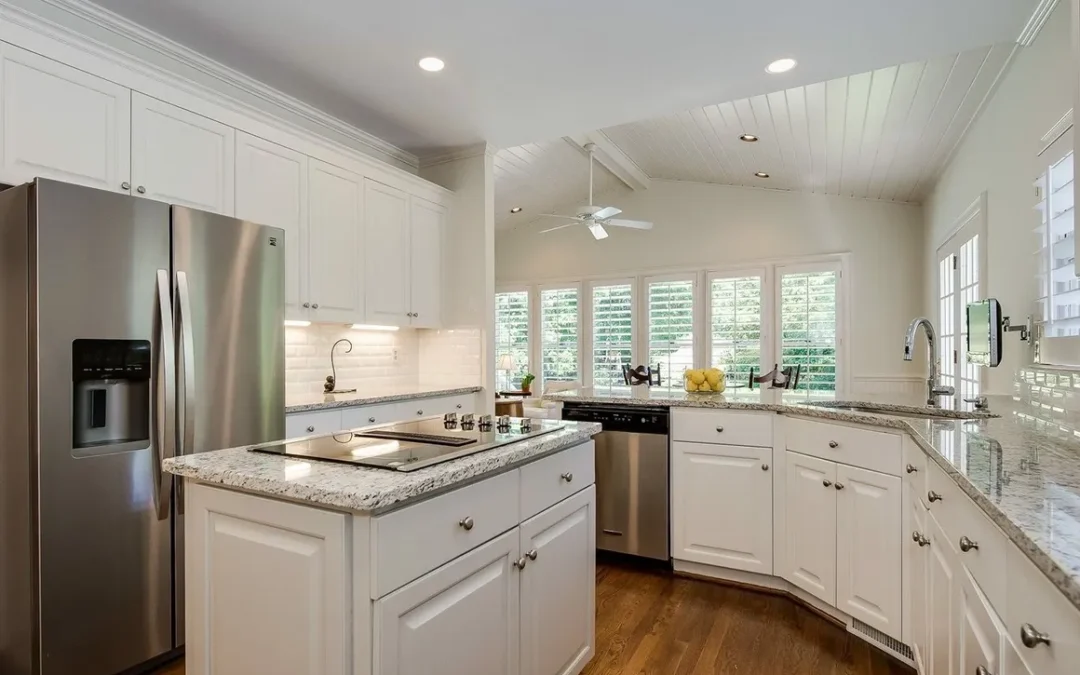
Charlotte Cabinet Refinishing Using Conversion Varnish
Cabinet Refinishing in Charlotte NC delivers longer-lasting results when Conversion Varnish is applied correctly instead of adding unnecessary coats of paint.
A neighbor proudly shares that their painter applied six coats of paint to the kitchen cabinets because “more coats mean more protection.” At first, that sounds like a smart investment. A few months later, small cracks begin to appear around the edges, doors stop looking smooth, and the finish no longer has the clean, solid look it had on day one.
Many homeowners believe thick paint equals long lasting cabinets. That idea has been repeated for years, but it is not how a quality cabinet finish works. Cabinet Refinishing is about using the right products, the right number of coats, and the right process. When too much finish is added, it can actually shorten the life of your cabinets instead of extending it.
Why More Paint Is Not Better
People often compare cabinet painting to painting walls. If one coat is good, then five or six should be even better. Cabinets work differently because they are touched, opened, closed, cleaned, and bumped every day.
Every layer that is added builds on the one underneath it. After a certain point, those layers become too thick. Instead of moving together naturally as the cabinet expands and contracts with changes in temperature and humidity, they begin pushing against each other.
The result is a finish that becomes less flexible over time. Small cracks can develop, corners may chip more easily, and the smooth factory style appearance starts to disappear. A quality finish is never measured by how many coats were sprayed. It is measured by how well the finish performs years after the project is complete.
The Hidden Problem with Thick Cabinet Finishes
Many painters advertise five or six coats because it sounds impressive. Homeowners often assume more labor means better quality, but cabinet finishes do not follow that rule.
Each extra coat adds more material to the cabinet door. Once the finish becomes too thick, it begins creating pressure within itself. Over time, that pressure shows up as cracking, peeling, or chipping.
Think about bending a thin sheet of plastic compared to a thick piece of brittle plastic. The thinner material can flex slightly without damage. The thicker piece is much more likely to crack. Cabinet finishes behave in a similar way. A finish that becomes too thick loses some of the flexibility it needs during years of daily use.
Why Conversion Varnish Changes Everything
This is where Conversion Varnish makes a major difference. Unlike ordinary cabinet paint, Conversion Varnish is designed to create a tough finish without needing excessive buildup. Instead of relying on many coats, it relies on the strength of the product itself.
That means professional cabinet refinishing can deliver a durable surface using only a few carefully applied coats. The finish stays smooth, attractive, and much less likely to develop problems caused by excessive thickness. Rather than stacking layer after layer of paint, the goal is to build one complete protective finish that is strong without becoming bulky.
Why Two or Three Coats Often Last Longer Than Six
This surprises many homeowners.
Two or three properly applied coats of a high-quality finish often outperform six coats of ordinary cabinet paint. The finish has enough coverage to protect the wood while still remaining stable over time.
Adding unnecessary coats does not double the protection. Instead, every additional layer increases the chance that the finish becomes too thick.
Professional cabinet refinishing focuses on balance. The goal is not to use the most material possible. The goal is to use exactly what the cabinets need. That balance creates a finish that looks beautiful while standing up to years of cooking, cleaning, fingerprints, and daily family life.
Why Cabinet Doors Need a Stable Finish
Cabinet doors are constantly moving. Every meal, every snack, and every cup of coffee means another cabinet door opening and closing. Drawers slide in and out hundreds of times every month.
A finish that becomes too thick struggles to handle that constant movement. Small stress points begin forming around corners, edges, and joints. These areas often become the first places where cracks appear.
A properly built Conversion Varnish finish stays much more consistent because it is not overloaded with unnecessary layers. That is one reason professionally refinished cabinets often continue looking newer for much longer than cabinets finished with ordinary house paint.
Why Surface Preparation Still Matters
Even the best finish cannot make up for poor preparation. Cabinets collect cooking oils, grease, fingerprints, and cleaning products over many years. Those surfaces need careful preparation before any finish is applied.
Once the cabinets are properly prepared, the finish can bond evenly across every surface. That creates a smoother appearance and helps the finish last much longer. Simply spraying extra coats over a poorly prepared surface does not solve the problem. In many cases, it only hides the issue temporarily before problems begin appearing later.
Cabinet Refinishing Is More Than Painting
Many homeowners use the terms interchangeably, but cabinet refinishing is a much more complete process. The goal is not simply changing the cabinet color. The entire finish is rebuilt using products designed specifically for cabinetry instead of standard wall paint.
That creates a smoother appearance, a harder surface, and better long-term durability. When homeowners search for kitchen cabinet refinishing, they are often looking for cabinets that look professionally finished instead of obviously painted. That difference comes from the complete refinishing process, not from adding extra coats.
The Finish Should Look Thin, Not Heavy
One sign of quality work is that the finish looks clean instead of thick. Wood details should remain crisp. Door profiles should stay sharp. Edges should not look rounded because of heavy paint buildup.
A finish that becomes too thick can hide many of the details that make cabinet doors attractive. Decorative lines become softer, corners lose definition, and the cabinets begin looking painted instead of professionally refinished. Conversion Varnish helps preserve those details because it provides excellent protection without requiring excessive buildup.
Small Cabinet Improvements Can Make a Big Difference
Many kitchens do not need a complete renovation. Sometimes refinishing the cabinets creates the fresh appearance homeowners want. Other times, one or two additional cabinets can make the kitchen more practical.
While refinishing remains our primary focus, we can also work with our cabinet building partner to add small cabinets where they make sense. A narrow cabinet beside an existing run could provide space for trash and recycling, baking sheets, or extra storage that was previously wasted. Those additions are designed to complement the existing layout instead of replacing an entire kitchen.
Choosing the Right Cabinet Refinishing Company
Not every painter follows the same process. Some focus on applying as much paint as possible because homeowners often associate thicker finishes with better quality. Others focus on using products designed specifically for cabinetry and applying only the amount needed for maximum performance.
When looking for a cabinet refinishing company, ask about the finish they use instead of asking how many coats they apply.
A quality company should explain why their process creates durability without excessive buildup. They should also be able to explain why Conversion Varnish has become such an important part of modern cabinet refinishing. The conversation should be about long term performance rather than simply counting coats.
Why We Focus on the Right Finish Instead of More Finish
At Carolina Cabinet Pros, we believe quality comes from the complete process rather than adding unnecessary layers. We use Conversion Varnish because it provides the durability homeowners expect while avoiding the problems caused by excessive buildup.
When we refinish cabinets, our goal is to create a finish that looks smooth, feels professional, and continues performing for years. If we notice that a kitchen could benefit from a small cabinet addition, we can also work with our cabinet building partner to add practical storage that blends naturally with the existing design.
Our approach is built around refinishing, refacing, staining, and making thoughtful improvements that help homeowners get more from the kitchen they already have.
Frequently Asked Questions
- Why do some painters apply five or six coats of paint?
Some painters believe additional coats create a stronger finish or use it as a selling point. In reality, cabinets perform better when the finish is applied in the proper amount instead of building unnecessary thickness.
- Why is Conversion Varnish better for cabinets?
Conversion Varnish creates a durable finish without requiring excessive layers. It provides a smooth appearance and long-lasting protection while reducing the risk of problems caused by thick paint buildup.
- How does kitchen cabinet refinishing differ from simply painting cabinets?
Kitchen cabinet refinishing uses a complete finishing process designed specifically for cabinetry. The goal is a durable, factory style finish rather than applying ordinary wall paint.
- Can cabinet refinishing include small cabinet additions?
Yes. While refinishing remains the primary service, small cabinet additions can sometimes be added through a cabinet building partner when they improve storage or make better use of available space.
- What should I ask a professional cabinet refinishing company?
Ask what finish they use, why they use it, and how their process creates long lasting results. A professional cabinet refinishing company should explain why the right products and the right number of coats matter more than simply applying extra paint.
The idea that more paint automatically creates stronger cabinets sounds logical, but cabinet finishes do not work that way. Once the finish becomes too thick, it becomes more likely to develop cracks and other problems over time.
Cabinet Refinishing delivers the best results when the right products are applied in the right amount. A carefully built Conversion Varnish finish offers lasting protection without creating the excessive buildup that can shorten the life of your cabinets.
If you are searching for cabinet refinishing near me, look beyond promises of five or six coats. Ask about the finish, the process, and why the company believes that method delivers lasting results. The answers will tell you far more about the quality of the project than the number of coats ever could.
Carolina Cabinet Pros: The Gold Standard in Cabinet Refinishing
Carolina Cabinet Pros provides professional cabinet refinishing, staining, restoration, and refacing, with durable conversion varnish finishes for homeowners throughout North Carolina and South Carolina. From kitchens and bathrooms to built-ins and custom cabinet updates, we help transform the cabinets you already have with expert craftsmanship and a beautiful, long-lasting finish. Contact Carolina Cabinet Pros today to schedule your free consultation at 704-363-3061.