
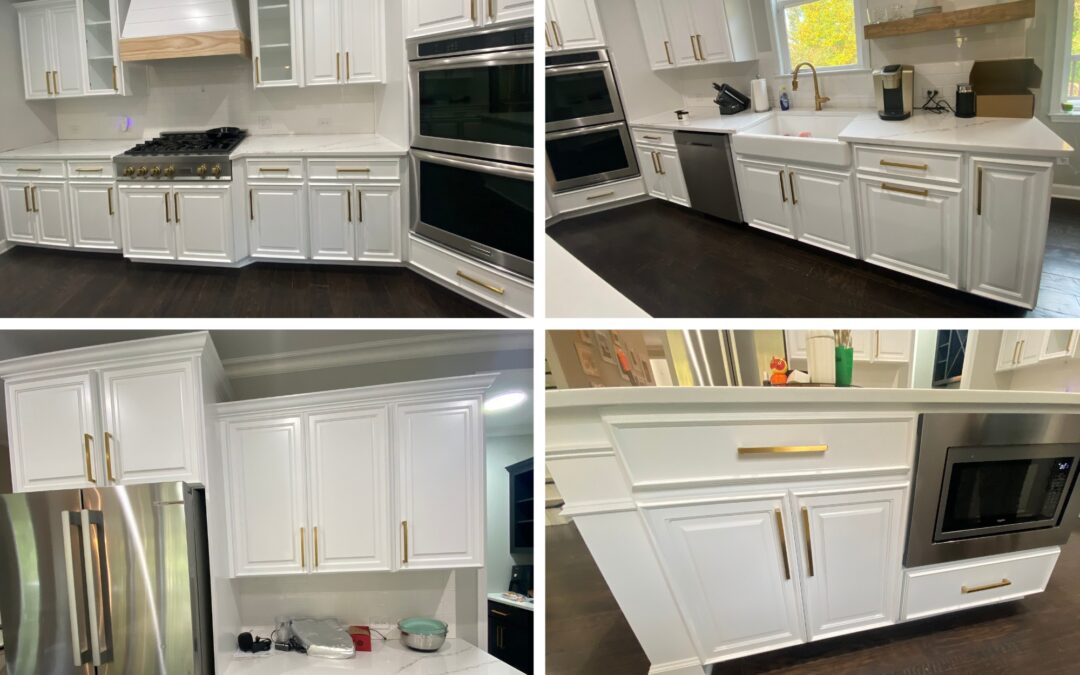
Conversion Varnish vs Lacquer for Cabinets in Charlotte for a durable finish
Conversion Varnish vs Lacquer for Cabinets in Charlotte NC helps homeowners prevent kitchen surfaces from wearing down from spills, heat, and daily cleaning.
A glass of red wine tips over during dinner. Grease from a frying pan settles on nearby cabinet doors, and steam pours out of the dishwasher after a wash cycle. By the end of the week, the kitchen has been exposed to more wear and tear than most homeowners realize, yet the cabinets are expected to look as good as new.
The reality is that kitchens are one of the toughest environments in a home. Cabinets face daily exposure to moisture, food splatters, cleaning products, and temperature changes. This is why the discussion around Conversion Varnish vs Lacquer for Cabinets has become increasingly important for homeowners looking for a finish that can handle real-life kitchen conditions.
While lacquer has long been used as a cabinet finish, many homeowners are now choosing conversion varnish because of its ability to resist common household threats. Understanding how conversion varnish works can help explain why it has become a preferred choice for cabinet refinishing and refacing projects.
Conversion Varnish vs Lacquer for Cabinets: Understanding the Difference
When homeowners plan a kitchen update, most of the attention goes toward cabinet colors, door styles, and hardware. While these elements are important, the finish applied to the cabinets plays a major role in determining how they will perform over time. A cabinet can look beautiful on day one, but if the finish cannot withstand daily use, that appearance may not last.
The conversation around Conversion Varnish vs Lacquer for Cabinets focuses on durability. Both finishes can provide an attractive appearance, but they react differently when exposed to moisture, heat, grease, and cleaning products. Over time, those differences become much more noticeable.
A cabinet finish should do more than improve appearance. It should also protect the cabinet surface from the challenges that come with everyday kitchen use. This is where conversion varnish stands apart.
Why Kitchen Cabinets Need Strong Protection
Kitchen cabinets experience constant exposure to substances that can damage weaker finishes. Cooking oils, coffee, juice, sauces, and food splatters frequently come into contact with cabinet doors and drawer fronts. Even careful homeowners cannot completely prevent these everyday occurrences.
Heat and humidity also create challenges. Dishwashers release steam, stovetops generate heat, and ovens raise temperatures throughout the kitchen. These conditions place stress on cabinet finishes every single day.
Cleaning products can create another layer of wear. Many homeowners regularly use disinfectants and degreasers to keep their kitchens clean. While these products are effective for cleaning, they can gradually damage finishes that are not designed to withstand repeated exposure.
How Conversion Varnish Acts Like a Protective Shield
One reason conversion varnish for cabinets has gained popularity is its ability to create a tough protective barrier. This barrier helps prevent many common kitchen substances from reaching the cabinet surface beneath. As a result, cabinets maintain their appearance longer and require less maintenance over time.
Unlike finishes that can become vulnerable to daily wear, conversion varnish is designed to handle the demands of active households. It provides protection against many of the issues that homeowners encounter in busy kitchens. This added durability makes it a practical option for families who use their kitchens heavily throughout the day.
The protective qualities of conversion varnish become especially valuable when cabinets are exposed to spills, moisture, grease, and household cleaners. These are the situations where long-term performance truly matters.
Resistance to Household Cleaners
Modern kitchens require regular cleaning to stay sanitary and attractive. Homeowners often use all-purpose sprays, disinfectants, and grease-cutting products on a routine basis. While these cleaners help maintain cleanliness, they can also take a toll on some cabinet finishes.
Lacquer finishes can become dull or show signs of wear after repeated exposure to harsh cleaning products. Over time, the surface may lose some of its original appearance. This can leave cabinets looking older than they actually are.
Conversion varnish provides a stronger defense against these cleaning agents. Its durable surface allows homeowners to clean cabinets more confidently without worrying as much about damaging the finish. This resistance to household chemicals is one of the reasons many professionals prefer conversion varnish in kitchen environments.
Protection Against Wine and Food Stains
Accidents happen in every kitchen. A glass of red wine can spill during dinner, coffee can splash while pouring a morning cup, and sauces can drip during meal preparation. These spills may seem minor, but they can create lasting stains on cabinet finishes that are not adequately protected.
The challenge with many liquids is that they can penetrate weaker finishes if not cleaned immediately. Once a stain reaches the cabinet surface, removing it can become difficult or impossible. This is especially true with darker liquids such as wine and coffee.
When comparing lacquer vs conversion varnish cabinets, stain resistance is often one of the biggest differences. Conversion varnish creates a tougher barrier that helps prevent liquids from soaking into the finish. While spills should always be cleaned promptly, homeowners generally have more protection against permanent staining.
Grease Resistance in Busy Kitchens
Grease is one of the most common challenges facing kitchen cabinets. Every time food is cooked, small particles of oil can become airborne and settle on nearby surfaces. Over time, cabinets can develop a sticky layer that attracts dust and dirt.
Removing grease buildup can be difficult, especially if the finish beneath has already been affected. Some finishes become harder to clean as grease accumulates. This can create a cycle where cabinets gradually lose their original appearance.
Conversion varnish for cabinets helps reduce this problem. Its durable surface makes grease easier to clean and less likely to affect the finish itself. This advantage becomes particularly noticeable in kitchens where cooking is a daily activity.
How Conversion Varnish Handles Steam and Moisture
Many homeowners focus on visible spills but overlook the impact of steam. Every dishwasher cycle releases moisture into the air, and every boiling pot contributes humidity to the kitchen environment. These repeated exposures can gradually weaken certain finishes.
Cabinets located near dishwashers often experience the greatest stress. Hot steam rises directly toward cabinet doors and surrounding surfaces. Over time, moisture can contribute to wear that becomes increasingly visible.
One of the key advantages in the Conversion Varnish vs Lacquer for Cabinets discussion is moisture resistance. Conversion varnish performs exceptionally well in humid conditions and helps protect cabinets from the effects of repeated steam exposure. This added protection helps cabinets maintain their appearance for years.
Better Resistance to Heat
Kitchen cabinets frequently sit near ovens, ranges, microwaves, and coffee stations. These appliances generate heat that can affect nearby surfaces over time. Temperature changes may not seem significant at first, but years of exposure can impact cabinet finishes.
Some finishes become more vulnerable when exposed to repeated heating and cooling cycles. Small changes may gradually develop into visible wear. This is especially true in high-use kitchens where cooking happens every day.
Conversion varnish offers greater resistance to these temperature fluctuations. Its durable protective layer helps cabinets withstand the heat commonly found in kitchen environments. This makes it an excellent choice for homeowners who want long-lasting results.
Why Professional Application Matters
Even the best finish requires proper application to deliver its full benefits. Surface preparation, product selection, and application methods all influence the final outcome. A high-quality finish applied incorrectly may not provide the durability homeowners expect.
This is why professional conversion varnish cabinet refinishing remains so important. Experienced professionals understand how to prepare surfaces and apply finishes to maximize both appearance and performance. The result is a finish that not only looks beautiful but also provides long-term protection.
Homeowners often spend considerable time choosing colors and styles. The quality of the refinishing process deserves equal attention because it directly affects how cabinets will perform in the years ahead.
Modern Cabinet Updates Go Beyond Refinishing
At Carolina Cabinet Pros, we continue to focus primarily on cabinet refinishing, refacing, and staining because these services provide homeowners with a cost-effective way to transform their kitchens. Many kitchens can achieve a dramatic improvement without requiring a complete cabinet replacement.
During some projects, we may identify opportunities to improve functionality as well as appearance. For example, a kitchen may have unused space that could accommodate a small cabinet for trash storage, recycling, or additional organization. In those situations, we work with a cabinet-building partner who can create small custom additions while we focus on refinishing and updating the existing cabinetry.
This approach allows homeowners to gain extra storage while still benefiting from a durable cabinet finish that is designed to withstand everyday kitchen demands. The goal is always to improve both the appearance and functionality of the space.
Frequently Asked Questions
- What is the biggest advantage of conversion varnish for cabinets?
The biggest advantage of conversion varnish for cabinets is its durability. It provides strong resistance to moisture, stains, cleaning products, grease, and heat, making it well suited for busy kitchens that experience daily wear and tear.
- How does conversion varnish compare to lacquer?
When discussing lacquer vs conversion varnish cabinets, durability is often the main difference. Conversion varnish generally provides stronger protection against household conditions, while lacquer may show signs of wear more quickly in demanding kitchen environments.
- Is conversion varnish cabinet refinishing worth the investment?
Many homeowners find conversion varnish cabinet refinishing worthwhile because it helps extend the life of their cabinets. The finish offers long-term protection while maintaining an attractive appearance for years.
- Can conversion varnish resist wine and food stains?
Yes, conversion varnish creates a protective barrier that helps prevent liquids from penetrating the surface. While spills should still be cleaned promptly, the finish provides greater resistance to staining than many traditional alternatives.
- Is conversion varnish a durable cabinet finish?
Conversion varnish is widely considered a durable cabinet finish because it performs well under conditions involving moisture, heat, grease, and repeated cleaning. These qualities make it a popular choice for kitchens and other high-use areas of the home.
Kitchen cabinets face constant exposure to spills, grease, moisture, cleaning products, and heat. These conditions can quickly reveal the weaknesses of a finish that is not built for long-term performance. Choosing the right finish can make a significant difference in how cabinets look years after a project is completed.
The discussion around Conversion Varnish vs Lacquer for Cabinets ultimately comes down to durability and protection. Conversion varnish provides stronger resistance to many of the everyday challenges that kitchen cabinets encounter. From wine spills and grease buildup to steam and household cleaners, it acts as a protective shield that helps cabinets maintain their appearance over time.
For homeowners considering cabinet refinishing or refacing, understanding the benefits of conversion varnish can help them make a more informed decision. A finish that stands up to real-world kitchen conditions is an investment in both beauty and longevity.
Carolina Cabinet Pros: The Gold Standard in Cabinet Refinishing
Carolina Cabinet Pros provides professional cabinet refinishing, staining, restoration, refacing, and durable conversion varnish finishes for homeowners throughout North Carolina and South Carolina. From kitchens and bathrooms to built-ins and custom cabinet updates, we help transform the cabinets you already have with expert craftsmanship and a beautiful, long-lasting finish. Contact Carolina Cabinet Pros today to schedule your free consultation at 704-363-3061.