
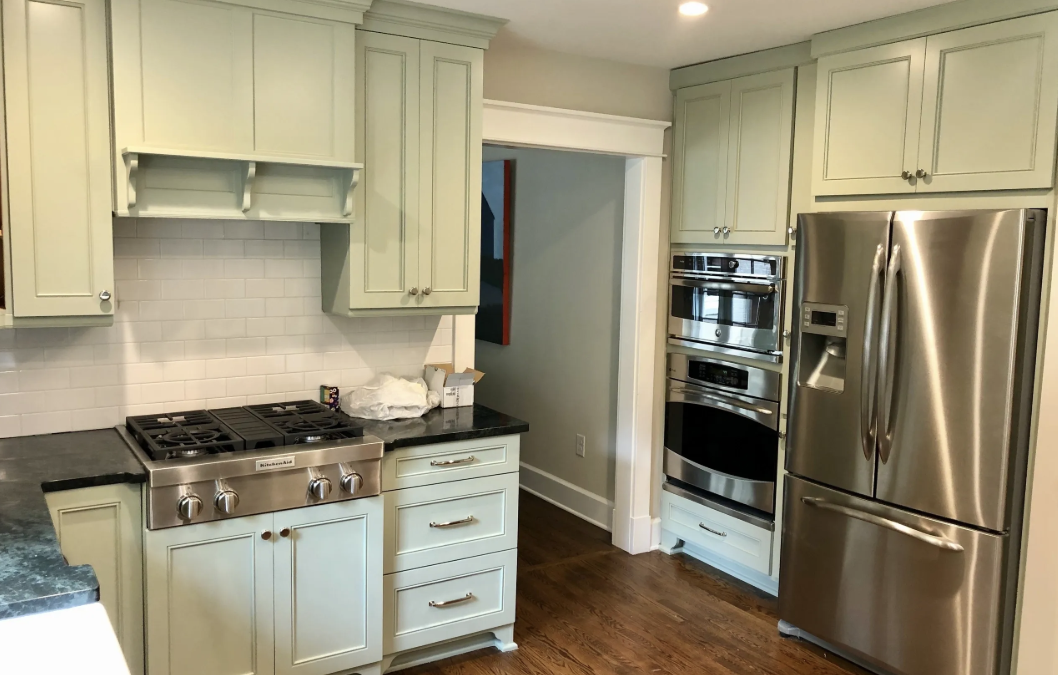
Cabinet Restoration in Charlotte for restoring finishes
Cabinet Restoration experts in Charlotte NC helps homeowners notice early cabinet finish issues like cracking, hazing, and fading before damage spreads.
You walk into your kitchen one morning and something feels slightly off. The cabinets that used to look smooth and even now catch the light in a strange way. A closer look shows faint cracking near the edges and a dull patch above the sink that was not there before. At first, it seems small, but these early changes are often the first sign that the cabinet finish is starting to fail, and what happens next can move quickly if it is ignored.
A failing finish does more than affect how your kitchen looks. It opens the surface of the wood to moisture, heat, and daily wear. Once that protective layer breaks down, the damage underneath can build quietly over time. This is where understanding the early warning signs becomes important, especially if you want to avoid costly repairs or full replacement later on.
Early signs your cabinet finish is breaking down
The earliest changes are often subtle and easy to dismiss. One of the first things many homeowners notice is a cloudy or hazy look on parts of the cabinet surface. The once smooth finish starts to look uneven under light, almost as if a thin film is sitting on top. This is usually a sign that the protective layer is weakening.
Another common sign is cracking or fine lines forming along doors and edges. These lines can start small but tend to spread if moisture or heat continues to affect the surface. Over time, the finish loses its ability to flex with the wood, which leads to more visible damage.
You may also notice color changes that do not match the rest of the kitchen. Areas near the stove, sink, or windows often fade faster. Sunlight and steam are both tough on cabinet surfaces, and when the finish weakens, those areas become more exposed. This uneven coloring is a strong indicator that the finish is no longer protecting the wood properly.
In some cases, the surface may start to feel rough instead of smooth. What used to be an easy wipe-clean finish may now hold onto dirt or feel slightly sticky after cleaning. This is another early warning that the protective coating is wearing down.
Why a failing cabinet finish should not be ignored
When a cabinet finish starts to break down, it is not just a surface problem. The finish is what keeps moisture and everyday kitchen conditions from reaching the wood underneath. Once that barrier weakens, the wood becomes vulnerable.
Moisture is one of the biggest risks. Kitchens naturally deal with steam, spills, and humidity. If that moisture gets into exposed wood, it can lead to swelling, warping, and in more advanced cases, wood rot. What begins as a small crack in the finish can slowly turn into structural damage if left untreated.
Heat also plays a role. Areas near ovens and stovetops often age faster because of repeated temperature changes. Over time, this weakens the finish and speeds up deterioration. When combined with cleaning products and daily contact, the surface can wear down faster than expected.
The longer these issues are left alone, the more likely the damage spreads beyond the surface. That is why spotting early signs matters more than reacting after visible damage has already set in.
What causes cabinet finish to fail over time
Cabinet finishes do not fail overnight. It is usually a slow process caused by everyday conditions in the home. One of the main causes is constant exposure to sunlight. Even indirect sunlight can gradually fade and dry out the surface, making it more brittle over time.
Humidity is another factor. Kitchens are high-moisture spaces, and changes in humidity levels can cause the wood to expand and contract slightly. Over time, this movement puts stress on the finish and leads to cracking or separation.
Cleaning habits can also play a role. Harsh cleaners or repeated scrubbing can wear down the protective layer. Even regular cleaning, when done frequently over many years, contributes to gradual surface breakdown.
Age is another simple but important factor. Even well-made cabinets eventually show signs of wear. The finish loses strength over time, especially in kitchens that are used daily. Once it reaches that point, maintenance alone is often not enough to restore the original condition.
Why early action helps prevent bigger problems
Catching finish problems early gives you more options. When the damage is still on the surface level, it can often be addressed without replacing the entire cabinet structure. This is where preventative maintenance becomes important.
A worn finish does not always mean the cabinets are beyond repair. In many cases, the surface can be restored so it looks fresh again and regains its protective qualities. Acting early helps avoid deeper issues like swelling wood or structural damage that would require more extensive work.
This approach also keeps the kitchen usable during the process. Instead of dealing with full replacements, focused work on the surface can bring the cabinets back to a stable condition while preserving the original structure underneath.
Cabinet Restoration and when it becomes the right solution
When cabinet finishes reach a point where simple cleaning or touch-ups no longer help, professional Cabinet Restoration becomes the next step. This process focuses on bringing the surface back to a stable, finished condition while addressing the worn or damaged areas.
At this stage, refinishing, repainting, or refacing the cabinets are common solutions. Refinishing helps restore the surface by renewing the protective layer. Painting can completely refresh the look while sealing the wood again. Refacing is used when the structure is solid but the exterior appearance needs a more noticeable update. In some cases, replacing cabinet doors or drawer fronts gives a more consistent finish without replacing the full cabinet system.
There are also situations where small layout improvements make sense during restoration work. While working on a kitchen, it is not unusual to notice unused space that could be more functional. In these cases, adding a small cabinet for storage, such as a pull-out space for trash and recycling, can improve how the kitchen works day to day. These additions are coordinated through a cabinet builder while the main focus remains on refinishing and restoring the existing cabinetry.
We at Carolina Cabinet Pros often see these situations during restoration work. While we focus on refinishing, refacing, and staining cabinets, we also coordinate small additions when they improve the kitchen layout. The goal is not to change the entire space but to improve what is already there in a practical way while keeping the original cabinet structure at the center of the work.
FAQs about cabinet finish problems and restoration
- How do I know if my cabinet finish is beyond simple repair?
When the finish shows deep cracking, peeling, or widespread discoloration, it usually means surface-level care is no longer enough. At that point, restoration work such as refinishing or refacing is often needed to bring the cabinets back to a stable condition. If the wood underneath feels soft or swollen, the damage may have gone beyond the surface layer.
- Can a failing cabinet finish lead to full cabinet replacement?
Yes, but only in more advanced cases. Most finish problems can be addressed before they reach that stage. If moisture has entered the wood for a long time, structural damage may develop, which can make replacement necessary. Early attention usually prevents that outcome.
- What is the difference between refinishing and refacing cabinets?
Refinishing focuses on restoring the existing surface by repairing and renewing the finish. Refacing involves replacing the visible outer parts like doors and drawer fronts while keeping the cabinet structure. Both options fall under Cabinet Restoration, and the right choice depends on how worn the cabinets are.
- Is it worth restoring older cabinets instead of replacing them?
In many kitchens, older cabinets are still structurally solid even if the finish looks worn. Restoring them can bring back both appearance and protection without a full replacement. It is often a practical option when the framework is still in good condition and only the surface has aged.
Carolina Cabinet Pros: The Gold Standard in Cabinet Refinishing
Carolina Cabinet Pros provides professional cabinet refinishing, staining, restoration, refacing, and durable conversion varnish finishes for homeowners throughout North Carolina and South Carolina. From kitchens and bathrooms to built-ins and custom cabinet updates, we help transform the cabinets you already have with expert craftsmanship and a beautiful, long-lasting finish. Contact Carolina Cabinet Pros today to schedule your free consultation at 704-363-3061.