Charlotte Lacquer Kitchen Cabinets can maintain a true white finish
Lacquer Kitchen Cabinets in Charlotte NC protect white kitchens from yellowing, keeping them looking bright and fresh even in strong sunlight.
The kitchen looks perfect the day the work is done. Clean white cabinets. Bright light bouncing off smooth doors. Everything feels fresh. Two years later, something feels off. The cabinets are not white anymore. They look cream. Some spots look dull or slightly dirty, even after cleaning. Nothing spilled. Nothing changed. Except the sun.
In the Carolinas, sunlight is not gentle. It pours through windows day after day, especially in kitchens with open layouts and large glass doors. That sun slowly changes how white cabinets look. Homeowners often think it is age or grime, but the real issue is yellowing. This is where the right finish makes all the difference.
This article explains why white cabinets change color, what modern lacquer does to stop it, and why Lacquer Kitchen Cabinets are the best option for keeping a true white look over time.
Why White Cabinets Change Color Over Time
White cabinets show everything. Dust, shadows, wear. But the biggest change often comes from sunlight. UV rays hit the surface every day. Over time, those rays affect the finish, not the wood underneath.
Older cabinet finishes were not made to handle constant sun. They slowly warmed in tone. What started as bright white shifted toward cream or yellow. In a sunny kitchen, this can happen in as little as two years.
Cleaning does not fix it. Painting over it without proper prep does not fix it either. The color change is inside the finish itself.
The Carolina Sun Is Not the Same as Indoor Light
Many kitchens in this region get strong daylight for most of the day. Open floor plans, white walls, and reflective surfaces make the light even stronger.
That light breaks down weak finishes. Heat adds to the problem. Cabinets near windows, doors, or skylights usually change first. Once the yellowing starts, it spreads unevenly. This makes cabinets look mismatched, even if they were painted at the same time.
This is why the finish matters more than the color.
What Makes Lacquer Different from Other Finishes
Lacquer has been used in kitchens for years, but modern lacquer is not the same product people remember from the past.
Today’s lacquer is built to resist sunlight. It dries smooth, holds color, and stays stable even in bright spaces. When done right, it keeps white cabinets looking white.
The key difference is how lacquer reacts to light. Instead of breaking down and warming over time, it holds its tone. This is why Lacquer Kitchen Cabinets are often chosen for kitchens with lots of windows.
How Non-Yellowing Lacquer Works Without the Tech Talk
You do not need chemistry to understand this. Think of modern lacquer as a shield. It sits on the cabinet surface and blocks the effects of sunlight.
Older finishes soaked up light. New lacquer reflects it. The color stays locked in place instead of shifting.
This is especially important for white cabinets. White has no room to hide changes. Any shift stands out fast.
True White Means Staying the Same Color
Many cabinets start white but do not stay white. Homeowners often say their cabinets look “dirty” even when they are clean. That is not dirt. It is color change.
True white means the color you see on day one is the color you see years later. Lacquer helps keep that promise.
With proper prep and professional application, lacquer keeps cabinets from drifting toward yellow or cream. This matters in kitchens where consistency matters. One yellow door can throw off the entire space.
Why Paint Alone Is Not Enough
Paint without the right top layer is not built for long-term sun exposure. Even high-quality paint can change color if the finish on top cannot handle UV light.
Lacquer acts as both color and protection. It seals the surface and keeps light from altering it. This is why repainting cabinets without lacquer often leads to the same problem repeating later.
White Kitchens Are Not a Trend, They Are a Commitment
White kitchens do not hide wear. They demand quality work and the right materials.
Homeowners choose white because it feels clean and timeless. But that only works if the cabinets stay white. Lacquer gives white kitchens a longer life without constant touch-ups.
This is why more homeowners are choosing Lacquer Kitchen Cabinets when refinishing or updating their kitchens.
Refinishing vs Replacing When Yellowing Starts
When cabinets yellow, many homeowners think replacement is the only option. That is not always true.
If the cabinet structure is solid, refinishing with the right lacquer can restore the look and stop future color change. This saves money and avoids tearing out a kitchen that still works.
Replacement makes sense when layout changes are needed or cabinets are damaged. In many cases, a mix of refinishing and small additions works best.
Adding Cabinets Without Rebuilding the Kitchen
Sometimes, the kitchen is almost perfect. There is just one missing piece. An empty spot at the end of a run. A gap that could hold trash and recycling. Extra storage that would make daily life easier.
In these cases, a small custom cabinet can be added without changing the rest of the kitchen. The key is matching the finish so it looks original.
This is where professional refinishing and careful coordination matter. The added cabinet needs the same lacquer finish to keep the color consistent over time.
Why Professional Application Matters
Lacquer is not forgiving. It shows every mistake. Uneven prep, poor spraying, or rushed drying can ruin the final look.
Professional cabinet work focuses on surface prep first. Old finishes are removed or sealed properly. The surface is smoothed. The lacquer is applied evenly and allowed to cure correctly.
This process is what keeps cabinets from yellowing later. Skipping steps always shows up down the road.
When Refinishing Is the Right Choice
Refinishing works well when cabinet boxes are solid and the layout still works. It refreshes the kitchen without the cost and mess of a full replacement.
Using lacquer during refinishing gives white cabinets a longer life. It also updates the look without changing the character of the home.
This is a strong option for homeowners who like their kitchen but want it to look clean and current again.
When Replacement Makes Sense
Sometimes cabinets are worn beyond repair. Doors may be damaged. Storage may not meet current needs.
In these cases, replacement is the better option. Even then, lacquer still matters. New cabinets finished with modern lacquer resist yellowing from the start.
This protects the investment and keeps the kitchen looking the way it should.
How We Approach White Cabinet Projects
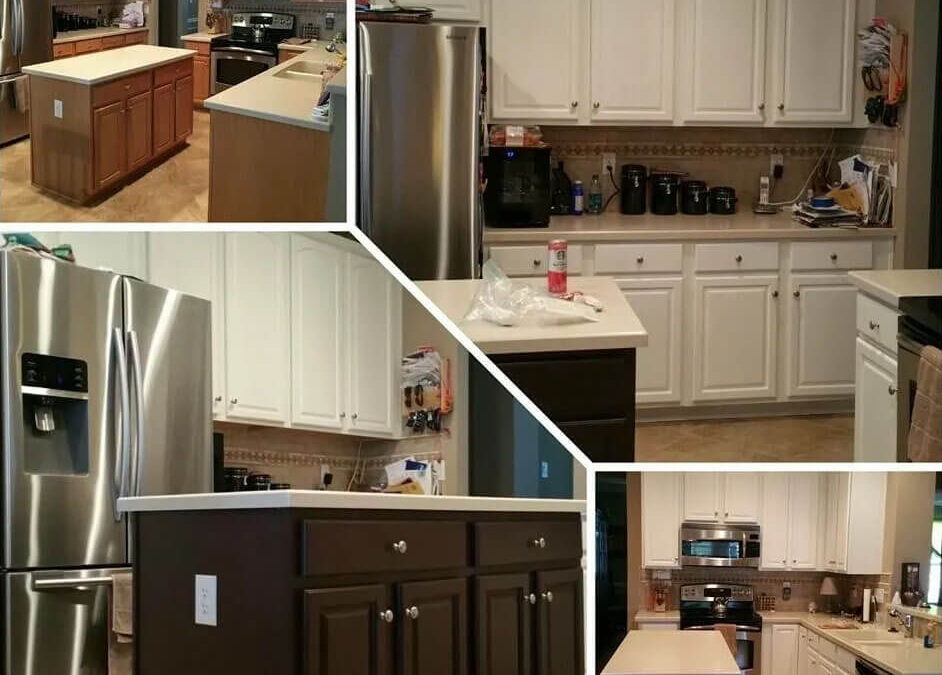
At Carolina Cabinet Pros, we focus on refinishing, refacing, and staining cabinets. White kitchens are a big part of our work. We see the yellowing issue often, especially in bright Carolina homes.
When we refinish white cabinets, we use modern lacquer designed to hold its color. This helps cabinets stay white even with heavy sun exposure.
We also look at the kitchen as a whole. If we notice a space where a small cabinet would improve function, we bring it up. When homeowners want that addition, we work with a cabinet maker we trust to build it. The new cabinet is finished to match the rest of the kitchen so it blends in.
Our focus stays on the core work. Refinishing, refacing, staining, and improving how the kitchen functions without turning it into a full rebuild.
Why This Matters Long Term
White cabinets are an investment. Yellowing shortens their life and changes how the kitchen feels. Using lacquer that resists color change protects that investment. It keeps kitchens looking clean instead of tired.
Homeowners in sunny regions need finishes that can handle the environment. Modern lacquer does that without changing the look people love.
FAQs About Lacquer Kitchen Cabinets
- Do white cabinets always turn yellow?
Not always. Yellowing happens when the finish cannot handle sunlight. Cabinets finished with modern lacquer resist this change.
- Can yellow cabinets be fixed?
In many cases, yes. Refinishing with the right lacquer can restore the white color and stop future yellowing.
- Is lacquer only for new cabinets?
No. Lacquer works well for both refinishing existing cabinets and finishing new ones.
- Does sunlight really make that much difference?
Yes. Kitchens with strong daylight show color changes faster, especially on white cabinets.
- Is lacquer hard to maintain?
No. Lacquered cabinets clean easily and do not require special care.
- Can added cabinets match existing ones?
Yes. When finished properly with the same lacquer, added cabinets blend in and age the same way.
White kitchens are meant to feel fresh for years, not just at the start. The biggest threat to that look is sunlight and the wrong finish.
Lacquer Kitchen Cabinets protect white cabinets from yellowing and help them stay true to color. In bright Carolina homes, that protection matters.
Choosing the right finish is not about trends. It is about keeping your kitchen looking clean, bright, and intentional long after the work is done.
Get Lacquer Kitchen Cabinets in Charlotte NC
Carolina Cabinet Pros is your North Carolina and South Carolina experts in Full-Service Cabinetry: providing professional cabinet staining, complete refinishing services, including cabinet refacing and lacquer cabinets, and high-end custom cabinetry. One call for a complete cabinet restoration anywhere in your home. Stop juggling contractors, call Carolina Cabinet Pros. From the Mountains to the Beach– no home is out of our reach. Contact Carolina Cabinet Pros to schedule a free consultation today, 704-363-3061.